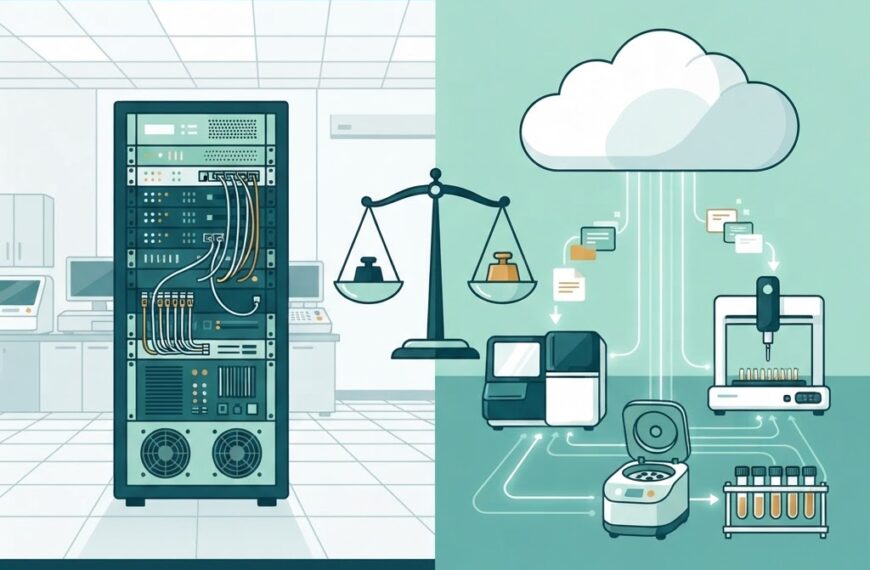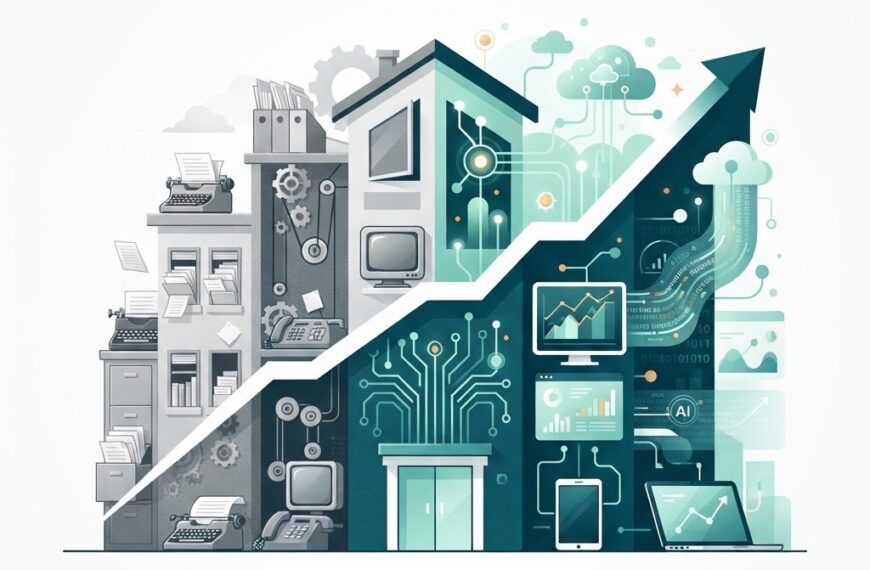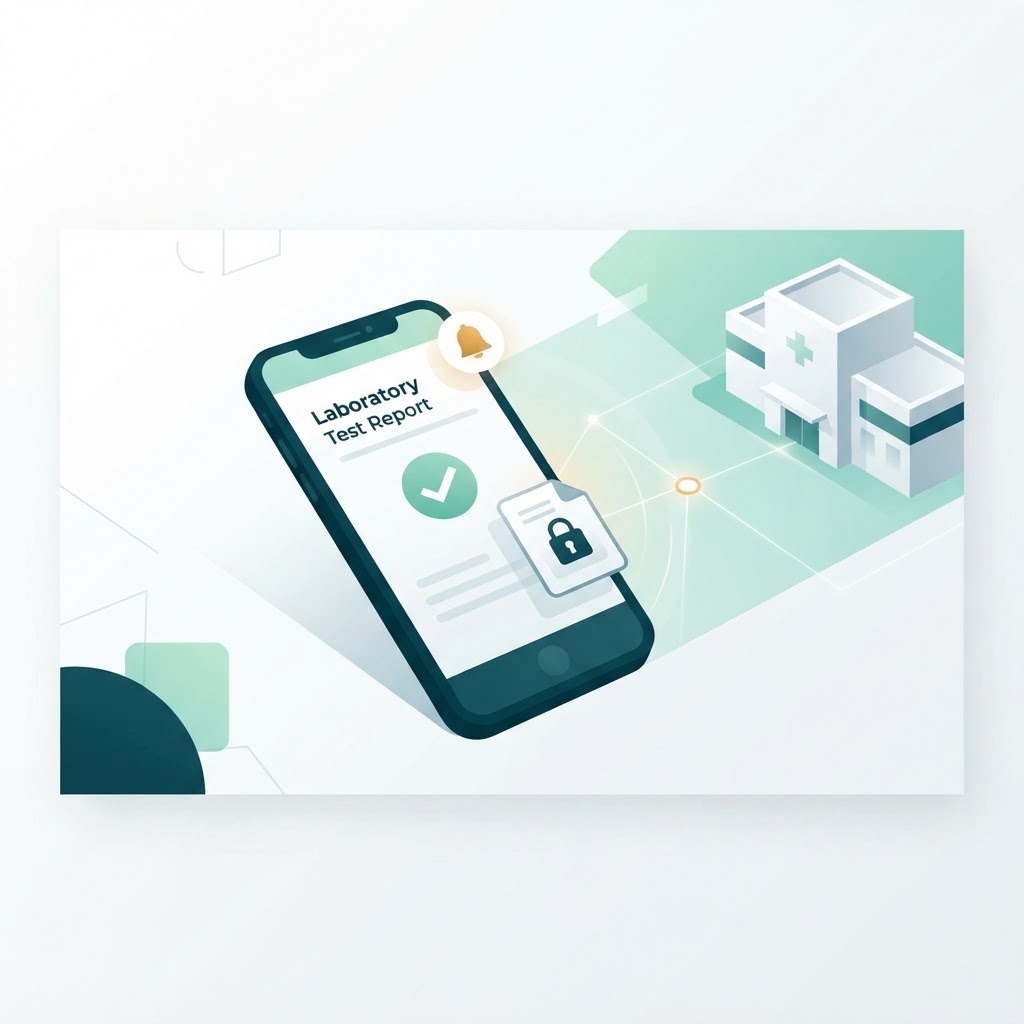

A patient visits a diagnostic lab in the morning, gives a blood sample, and goes home. A few hours later, they want their report. In the printed-report era, that meant calling the lab, waiting on hold, driving back, standing in a queue, and collecting a physical sheet of paper. Today, the same patient can open a web portal, tap a link sent by SMS, and download a verified digital report in seconds.
Online report delivery is no longer a nice-to-have feature. For diagnostic laboratories, it has become a core operational requirement that affects patient satisfaction, turnaround time, accreditation compliance, and cost. This article explains what online report delivery means for labs, why the shift away from printed reports is accelerating, and what a laboratory should look for when implementing digital report delivery.
What Is Online Report Delivery?
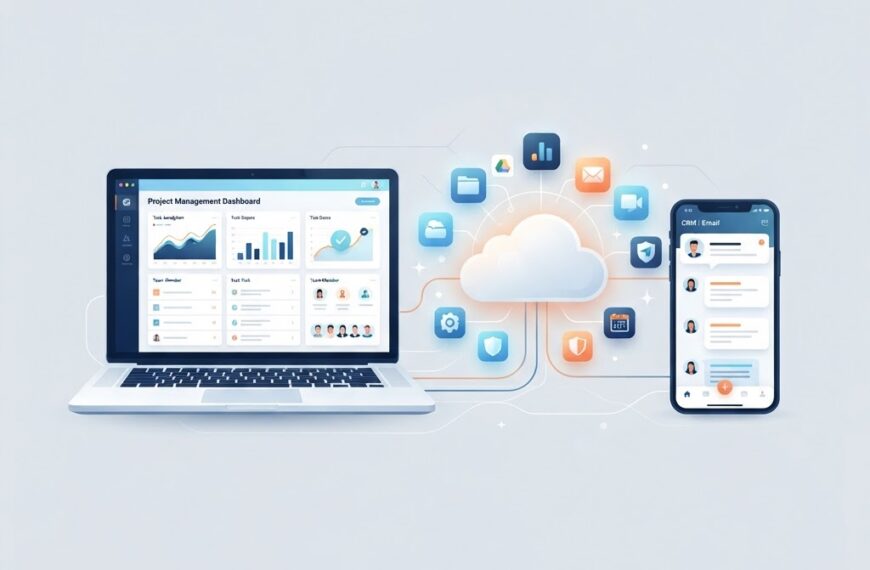
Online report delivery is the process of sending laboratory test results to patients, referring physicians, and other authorized recipients through digital channels instead of, or in addition to, printed paper reports. The common delivery channels include:
- Patient web portals: A secure website where patients log in and view or download their reports.
- SMS and WhatsApp links: A secure, time-limited link sent to the patient’s phone that opens the report directly.
- Email delivery: The report sent as a password-protected PDF attachment or as a link to a secure download.
- Physician portals: A dashboard where referring doctors can view all their patients’ results in one place, often integrated with electronic medical records (EMR) systems.
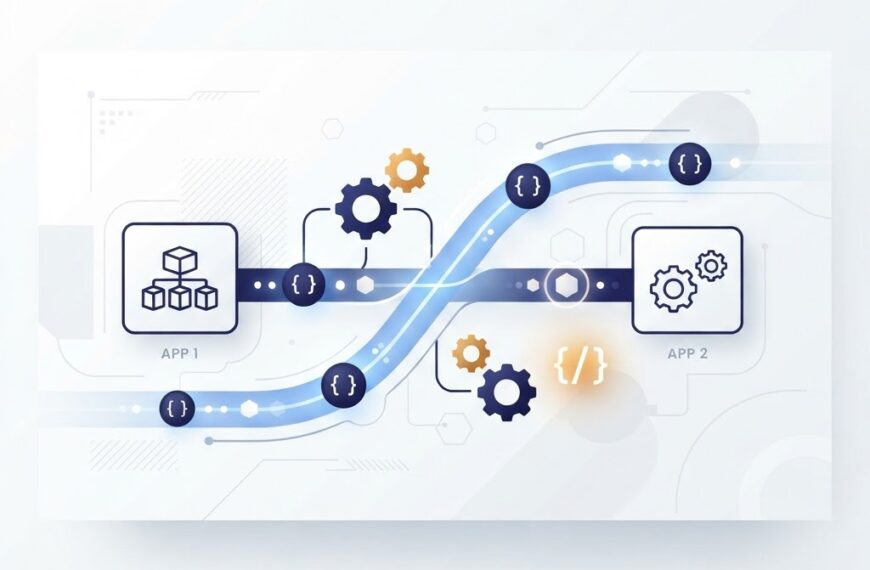
- API integrations: Direct transmission of results to hospital information systems or clinic software using standards like HL7.
A modern Laboratory Information Management System (LIMS) handles the entire flow: once a result is validated and approved, the system automatically generates the report, formats it, applies digital signatures or watermarks, and pushes it through the selected delivery channels without manual intervention.
Why Labs Are Moving Beyond Printed Reports
Turnaround Time
The most visible benefit of online report delivery is faster turnaround time (TAT). A printed report requires someone to physically print it, sort it, file it, and hand it to the patient or courier it. An online report is available the moment it is approved in the LIMS. For urgent tests where a clinician is waiting for results to make treatment decisions, shaving hours off the delivery time can matter clinically.
Patient Convenience
Patients no longer need to make a second trip to the lab. This is especially valuable for elderly patients, those in rural areas with limited access to the lab, and those managing chronic conditions who test frequently. An SMS link or portal login means the report is available anytime, anywhere, from a smartphone.
Cost Reduction
Printed reports carry hidden costs that labs often underestimate: paper, printer consumables, physical storage space, filing staff time, courier charges, and the administrative overhead of managing physical records. For a high-volume lab processing hundreds or thousands of samples daily, these costs add up. Digital delivery eliminates most of them.
Accuracy and Version Control
A printed report is a static document. If an error is found after printing, the lab must recall the physical copy, destroy it, reprint, and redistribute. With a LIMS-driven digital report, the record is updated in the system and the corrected version is immediately available to everyone with access. The audit trail shows who changed what and when.
Regulatory and Accreditation Alignment
ISO 15189:2022, the international standard for medical laboratories, includes requirements for the timely communication of results and the secure management of laboratory information. Online report delivery, when implemented with proper access controls, audit trails, and data integrity safeguards, directly supports these requirements. For NABL-accredited labs in India operating under ISO 15189, digital report delivery is not just convenient but aligned with the standard’s expectations for data management and result communication.
How Online Report Delivery Works in a LIMS
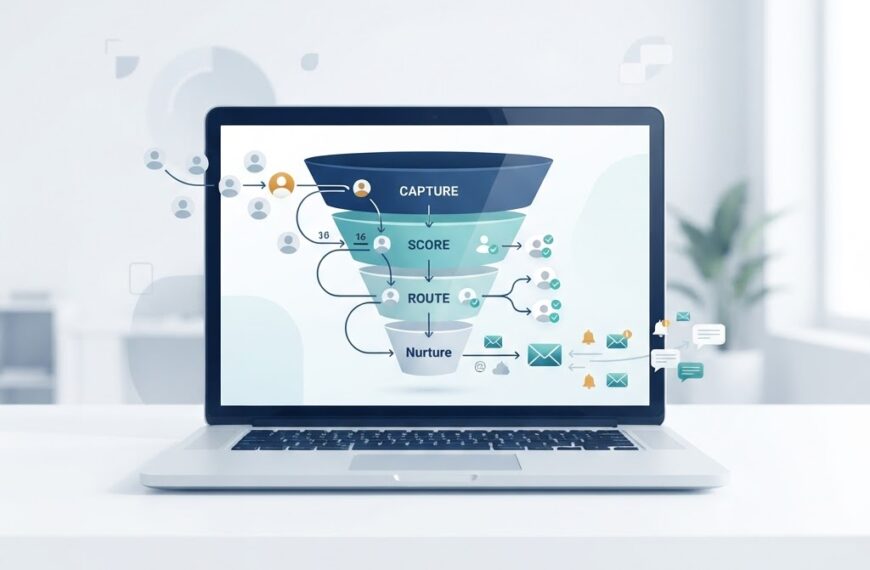
The process begins the moment a test result is entered or imported from an analyzer into the LIMS. Here is the typical workflow:
| Step | What Happens |
|---|---|
| Result entry | Test results are captured from analyzers via HL7/ASTM interfaces or manual entry |
| Validation | A qualified technician or pathologist reviews and approves the results |
| Report generation | The LIMS auto-generates a formatted report with patient details, reference ranges, and interpretation |
| Digital signing | An authorized signatory’s digital signature or seal is applied |
| Delivery trigger | The system automatically sends the report through configured channels (portal, SMS, email, physician dashboard) |
| Notification | The patient and/or referring physician receives a notification that the report is ready |
| Audit logging | Every access, download, and delivery event is recorded in an immutable audit trail |
This automated flow means that once the pathologist approves the result, delivery happens in seconds without any additional staff action.
Key Features to Look For
Not all online report delivery systems are equal. If a laboratory is evaluating a LIMS or adding digital report delivery, these are the features that matter:
Secure Access and Authentication
Reports contain sensitive health information. The system must authenticate every recipient before showing a report. Patient portals should require login credentials or use time-limited, one-time access links. This protects patient privacy and helps the lab comply with data protection regulations.
Multi-Channel Delivery
Different patients prefer different channels. A system that supports portal, SMS, email, and physician dashboard delivery gives the lab flexibility and ensures the report actually reaches the recipient. Relying on a single channel risks delivery failures.
Digital Signatures and Tamper-Evidence
A digitally signed report provides assurance that the report has not been altered after approval. This is important for legal, clinical, and accreditation purposes. Look for systems that apply a visible digital seal and use cryptographic verification.
QR Code Verification
Some modern LIMS platforms include a QR code on each report. Scanning the code with a smartphone opens a verification page that confirms the report is genuine and shows key details. This is a practical anti-fraud measure, especially for reports used for employment screening, insurance claims, or immigration medicals.
Automated Notifications
The system should automatically notify patients when their report is ready, whether through SMS, email, or a portal notification. Manual notification is error-prone and defeats the purpose of automation.
Historical Access
Patients should be able to access not just their latest report but their full report history through the portal. This helps patients track their health over time and share results with different doctors without contacting the lab each time.
Integration with Physician Workflows
For referring doctors, a physician portal where all their patients’ results appear in one dashboard is far more useful than individual email attachments. Ideally, this should integrate with the hospital or clinic’s EMR system through HL7 or FHIR APIs.
Security and Compliance Considerations
Moving from paper to digital does not eliminate security concerns; it changes them. Labs implementing online report delivery must address:
- Data encryption: Reports should be encrypted in transit (TLS) and at rest.
- Access control: Role-based access ensures only authorized personnel can view, approve, or modify reports. Patients should see only their own reports.
- Audit trails: Every action related to a report, creation, approval, delivery, access, download, must be logged with timestamp and user identity.
- Data retention policies: The lab must define how long reports are stored digitally and comply with local regulatory requirements for record retention.
- Patient consent: Labs should obtain patient consent for digital delivery and provide a paper option for patients who prefer or require it.
ISO 15189:2022 clause 7.6 covers data and information management, requiring laboratory information systems to ensure data integrity, security, and traceability of results. A well-implemented online delivery system directly supports these requirements.
Common Pitfalls to Avoid
Treating Digital Delivery as an Afterthought
Some labs bolt on a basic email or SMS feature to an older system without integrating it into the LIMS workflow. This leads to manual steps, errors, and reports that go out without proper validation. Digital delivery should be a core LIMS capability, not a peripheral add-on.
Ignoring the Last Mile
Sending a report is only half the job. If the patient never opens the notification, the delivery has failed. Labs should track delivery confirmation and have fallback mechanisms, such as a follow-up SMS or a phone call for critical results.
Overlooking Mobile Access
Most patients will access their reports on a smartphone. If the portal or report format is not mobile-friendly, the experience is poor and patients will still call the lab for help. Reports should render cleanly on small screens, and download links should work on mobile browsers.
No Backup Channel
If the SMS gateway is down or the portal server is under maintenance, patients are left waiting. Labs should have at least two delivery channels configured so that if one fails, the system can fall back to another automatically.
The Bottom Line
Online report delivery is one of the highest-impact changes a diagnostic laboratory can make. It reduces costs, improves turnaround time, enhances patient experience, and aligns with accreditation standards like ISO 15189 and NABL requirements. For labs already using a LIMS, activating or upgrading digital report delivery is typically a configuration change, not a new system purchase.
If your lab is still printing every report, the question is not whether to move to digital delivery but how soon you can do it without disrupting operations. The technology is mature, the standards are clear, and patient expectations have already shifted.
To see how IdLabNet handles online report delivery, visit idlabnet.ideativemind.com or contact Ideativemind for a demonstration.

 By
By