
Digital transformation is one of the most widely used, and least understood, terms in enterprise technology. Vendors use it to sell software. Consultants use it to sell services. Boards put it in strategy decks. But strip away the marketing and what does it actually mean for an organization trying to operate differently?
This article explains digital transformation in plain terms: what it is, what its core components are, why so many efforts stall, and what a practical approach looks like.
What Is Digital Transformation?
Digital transformation is the integration of digital technologies into fundamental business processes, operating models, and customer experiences to improve performance, create new value, and stay competitive as expectations shift.
A widely cited definition comes from the MIT Sloan School of Management and Capgemini Consulting, which in a multi-year research program described digital transformation as the use of technologies such as social, mobile, analytics, and cloud to radically change how organizations operate and deliver value.
The key word is transformation, not digitization. Scanning paper documents into PDFs is digitization. Connecting those documents to a workflow that routes them automatically between teams, flags exceptions, and feeds an analytics dashboard is transformation. The distinction matters because many organizations invest heavily in digital tools while leaving the underlying processes unchanged, and then wonder why results disappoint.
Digital Transformation vs. Digitization vs. Digitalization
| Term | What It Means | Example |
|---|---|---|
| Digitization | Converting analog information to digital format | Scanning a signed contract into a PDF |
| Digitalization | Using digital tools to change a business process | E-signature workflow with automated routing and reminders |
| Digital transformation | Reimagining the business model and operating model around digital capabilities | A lab offering online booking, digital sample tracking, and instant report delivery to patients |
Digitization and digitalization are stepping stones. Digital transformation is the destination where technology, data, and people come together to change how a business works.
The Core Pillars of Digital Transformation
Digital transformation is not one project. It rests on several pillars that must evolve together. Research and practitioner frameworks from sources including BCG and MIT consistently identify four recurring areas:
1. Technology and Data Infrastructure
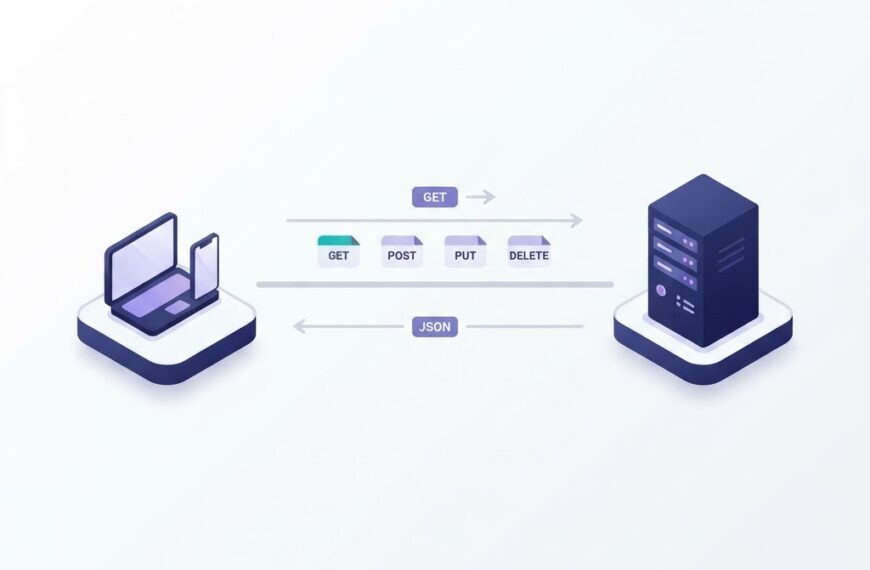
This is the foundation. Cloud computing replaces rigid on-premise servers with elastic, on-demand infrastructure. APIs let systems talk to each other. Modern databases process large volumes of information quickly. But technology without data strategy is just spending. Organizations need clean, accessible, well-governed data to make tools like analytics and AI actually produce insight.
For a deeper look at cloud as an enabler, see our article on why cloud solutions matter for business scalability.
2. Process Redesign
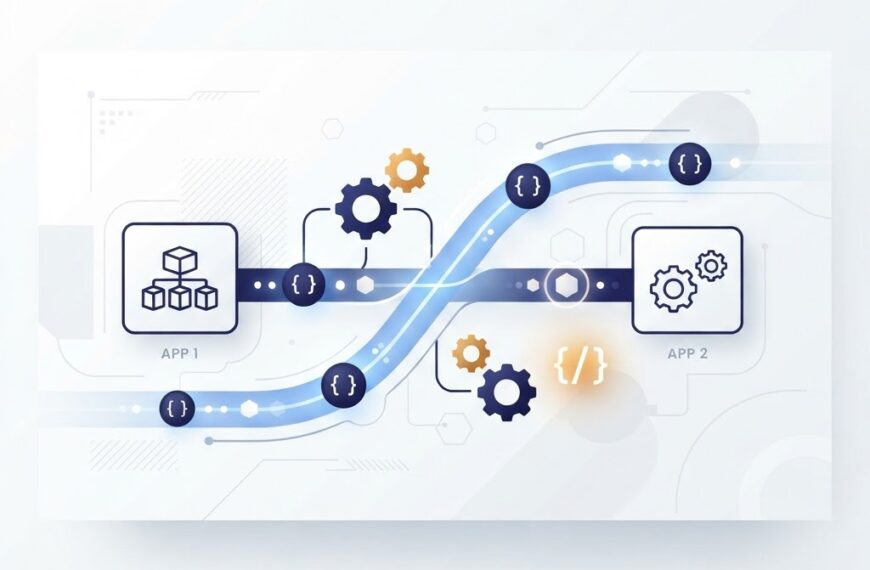
Digital transformation fails when an organization takes a broken process and makes it digital faster. The real work is mapping existing workflows, identifying bottlenecks, removing redundant steps, and rebuilding processes that leverage automation and real-time data. This is where concepts like API automation and workflow orchestration come in. If you are curious how this works in practice, our introduction to API automation walks through the essentials.
3. People and Culture
Research from McKinsey and BCG has repeatedly found that culture and leadership, not technology, are the most common reasons digital transformation efforts fall short. Change management, upskilling, and leadership alignment matter as much as the software you buy. People need to understand why things are changing, be trained on new ways of working, and feel empowered rather than threatened by the shift.
4. Customer Experience
Digital transformation ultimately serves the end customer. Whether that customer is a patient booking a diagnostic test, a distributor ordering inventory, or a citizen accessing a government service, the measure of success is whether the experience got faster, easier, and more reliable. Every transformation initiative should be traceable back to a customer outcome, not just an internal efficiency metric.
Why Digital Transformation Efforts Fail
Research by both McKinsey and BCG has found that roughly 70 percent of digital transformation initiatives fall short of their stated objectives. The reasons are consistent across studies:
- Treating transformation as an IT project rather than a business-wide change, leaving people and process gaps.
- Unclear success metrics that make it impossible to tell whether progress is real.
- Pilot paralysis, where organizations run small experiments forever without scaling anything.
- Culture resistance, where leadership underestimates the human side of change.
- Technology-first thinking, where tools are purchased before the underlying process and data problems are understood.
None of these are technology failures. They are organizational failures that technology alone cannot fix.
How AI Fits Into Digital Transformation in 2026
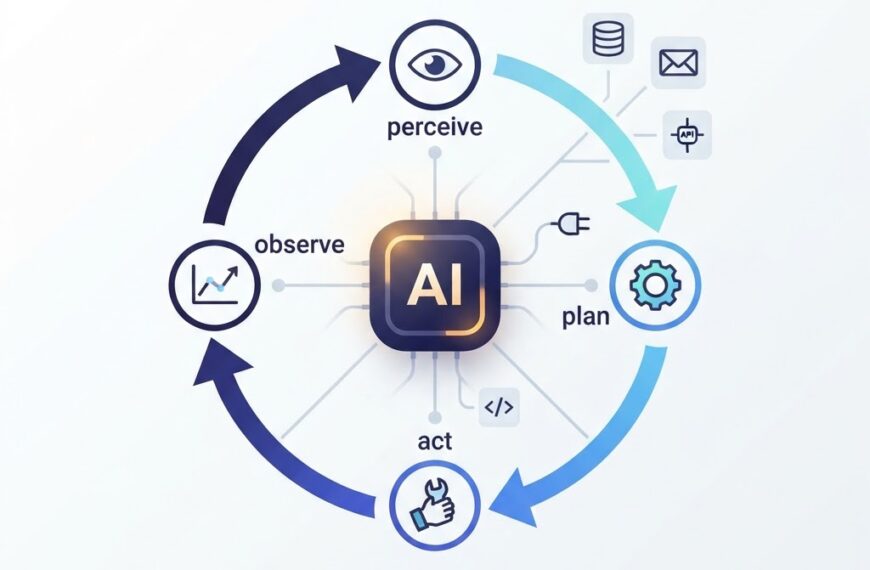
Artificial intelligence, and increasingly generative AI and agentic AI, has become a central driver of digital transformation rather than a separate initiative. AI adds a new capability layer on top of existing data and infrastructure. It can analyze data faster, generate content, automate decisions, and interact with systems through natural language.
The progression looks like this:
- Digitization: Manual records become digital data.
- Digitalization: Digital tools improve specific processes.
- AI Integration: AI models consume data and automate decisions within those processes.
- Agentic AI: Autonomous or semi-autonomous agents coordinate multi-step tasks across systems.
For organizations further along this journey, our guide to what is an AI agent and our overview of agentic AI cover what these systems can and cannot do today.
AI does not replace the other pillars. It amplifies them. But it also raises the stakes on data quality, governance, and change management, because AI systems scale both good and bad processes.
A Practical Digital Transformation Approach
There is no universal playbook, but organizations that succeed tend to follow a similar pattern.
Start With the Problem, Not the Technology
Identify a concrete business problem or customer pain point before evaluating any technology. If the starting question is “Should we use AI?” the initiative is already misaligned. The right starting question is “What outcome are we trying to achieve, and what gets in the way today?”
Prioritize a Few High-Value Workflows
Rather than attempting an organization-wide transformation simultaneously, successful organizations pick two or three workflows with measurable business impact, prove the value, and then scale what works across similar areas.
Invest in Data and Integration Early
AI, analytics, and automation all depend on data that is clean, connected, and trustworthy. If systems cannot share data, downstream investments produce fragmented results. API integration and data governance should be early-line investments, not afterthoughts.
Lead With Change Management
Leaders need to be visible sponsors, not just approvers. Training, incentives, internal communications, and feedback loops determine whether new tools get adopted or quietly abandoned.
Measure Continuously
Define what success looks like at the start. Metrics might include cycle time, error rates, customer satisfaction scores, revenue per employee, or system adoption rates. The right metrics depend on the initiative, but they must exist and be tracked.
Digital Transformation in Specific Industries
The pattern of digital transformation varies by industry, but the principles are remarkably consistent.
Diagnostic Laboratories
A lab transitioning from paper-based workflows to a modern Laboratory Information Management System (LIMS) like IdLabNet is a textbook case of digital transformation. The change touches infrastructure (cloud or on-premise hosting), process (sample tracking, quality control, report delivery), people (technician training, role changes), and customer experience (online reports, faster turnaround). For more on how this works, see our guide to what LIMS is.
Manufacturing
Digital transformation in manufacturing often involves IoT sensors on equipment, real-time production dashboards, predictive maintenance, and supply chain visibility. The goal is reduced downtime and better throughput.
Financial Services
Banks and insurers transform through digital onboarding, automated underwriting, real-time fraud detection, and mobile-first customer experiences. regulatory compliance adds a layer of complexity that makes data governance and audit trails critical.
What Digital Transformation Is Not
Clearing up common misconceptions is as important as explaining what the term means.
- It is not buying a platform. Software purchases do not constitute transformation; what you do with them does.
- It is not a one-time project. It is a continuous capability that evolves as technology and customer expectations change.
- It is not exclusively for large enterprises. Small and midsize organizations benefit just as much, often with faster decision cycles.
- It is not an IT initiative owned by IT. It is a business change owned by leadership, with IT as an enabling function.
If your organization is starting this journey or trying to restart a stalled one, the most useful first step is simple: pick one workflow that matters, understand it deeply, and make it measurably better with digital tools. That is where transformation actually begins.
To discuss how digital tools could apply to your organization, contact the Ideativemind team.

 By
By